
Taiwan’s Covert Nuclear Weapons Program
A Hidden Chapter in Cold War History

Introduction
Taiwan’s nuclear history is a little-known yet critical chapter in Cold War geopolitics, one that highlights the realpolitik of the fragile relationship between Taipei and Washington.
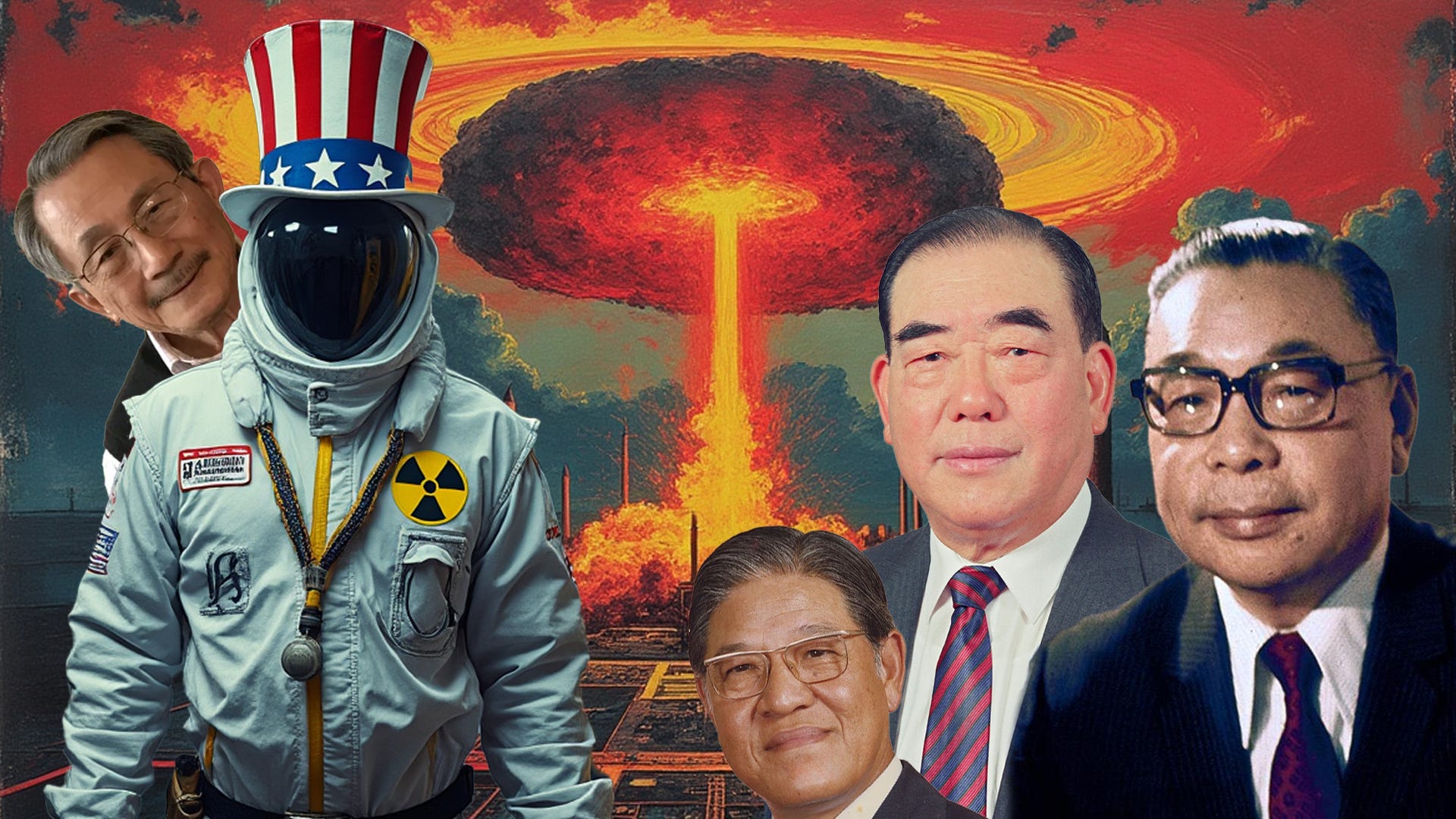
Despite being aligned differently during the Cold War, Taiwan and north Korea shared a crucial commonality: both pursued covert nuclear weapons programs while facing a major obstacle—the United States. Each used civilian nuclear development as a cover, exploiting loopholes and engaging in deception to buy time. While north Korea successfully detonated a nuclear weapon in 2006, Taiwan’s efforts were cut short in 1988 when the US, leveraging Taiwan’s political situation, forced the complete shutdown of its nuclear weapons program with the help of nuclear scientist-turned-CIA informant Chang Hsien-yi.
The KMT’s Nuclear Ambitions
The KMT government never saw the US as a fully reliable ally. It feared Washington could abandon Taipei in favor of Beijing, prompting its pursuit of nuclear deterrence rather than reliance on America’s nuclear umbrella. Similar to north Korea’s reasoning for developing nuclear weapons, Taipei sought security against potential existential threats.
Unlike north Korea, which aggressively pursued nuclear capabilities, the KMT had to tread carefully to avoid jeopardizing its access to US nuclear technology and support under the guise of civilian use. Until the US severed diplomatic ties with Taipei in favor of Beijing in 1979, Washington had the leverage of threatening to withdraw its military presence, keeping the KMT’s nuclear ambitions in check. However, Taipei still relied on illicit procurement networks to acquire sensitive materials necessary for nuclear weapons development.
For the KMT, nuclear weapons symbolized not only security but also national prestige and independence from US control. The KMT, viewing itself as the legitimate government of all Chinese people, saw nuclear weapons as a means of upholding China’s dignity.
Early Steps Toward Nuclear Development
Chiang Kai-shek likely became interested in nuclear weapons during World War II, after witnessing the U.S. successfully develop atomic bombs. He sent figures such as Tang Boyuan (唐鉑遠) to the UK for training and Wu Dayou (吳大猷) to the US to study nuclear physics. Wu later returned to Taiwan and served as an advisor for the nuclear weapons program.
However, between fighting the Chinese Civil War and stabilizing Taiwan, Chiang had little time to focus on launching a nuclear weapons program. The push for nuclear capability only began in earnest in the 1950s.
Atoms for Peace and the IAEA’s Role
In 1953, US President Dwight D. Eisenhower introduced the “Atoms for Peace” initiative, aiming to redirect nuclear energy toward peaceful applications such as medicine and energy. However, it also served as a means to prevent nuclear proliferation. This led to the establishment of the International Atomic Energy Agency (IAEA) in 1957—a global watchdog for nuclear energy, which would become a major obstacle for Taiwan’s nuclear ambitions.
Chiang Kai-shek publicly pledged that his administration would not pursue nuclear weapons, but behind the scenes, he had other plans. In 1955, Taipei signed a nuclear cooperation agreement with the US, facilitating nuclear infrastructure development. Officially, the focus was on civilian applications, with institutions like the Institute of Nuclear Science (INER) at National Tsinghua University leading the charge. Unofficially, this was the foundation of Taiwan’s covert nuclear weapons program.
To support this initiative, military officers were sent abroad to study nuclear technology in the US and Europe. Most of the students at Tsinghua’s Institute of Nuclear Science were military personnel, ensuring that academic research remained closely tied to military objectives.
Development of Taiwan’s Nuclear Infrastructure
Under the Atoms for Peace program, Taiwan built a US-supplied nuclear research reactor at Tsinghua University in 1958. This one-megawatt thermal, open-pool reactor provided students with hands-on nuclear training.
However, the real push came in 1964 when mainland China successfully tested its first nuclear weapon. This shifted the global power balance, affecting China’s relations with the Soviet Union and the US In response, Chiang Kai-shek appointed his son, Chiang Ching-kuo—then deputy defense minister—to oversee a dual-track nuclear strategy. This strategy officially focused on civilian nuclear development while secretly incorporating nuclear weapons research.
The goal was to develop a latent nuclear weapons capability while maintaining plausible deniability under the Nuclear Non-Proliferation Treaty. The hope was that Taiwan could complete its first nuclear weapon before Washington or Beijing discovered the program’s true nature, allowing further development afterward.
Key Institutions and Covert Operations
The military oversaw the nuclear weapons program, while the Zhongshan Institute of Science and Technology (CSIST - Zhongshan was romanized as Chung-shan) handled research, development, and construction, including delivery systems. The Institute of Nuclear Energy Research (INER) operated as a division of CSIST, responsible for producing nuclear materials, running simulations, and advancing weapons research. INER also served as a civilian cover for the weapons program.
Though CSIST and INER were officially separate entities, in reality, they operated as a single entity. Their facilities were located on the same campus without any physical boundary separating them. Notably, their proximity to the National Defense University’s Zhongzheng Institute of Technology reinforced suspicions about Taiwan’s true nuclear ambitions.
CSIST had four primary divisions, with INER acting as the nuclear research arm:
Nuclear Weapons Development (INER) – Focused on plutonium production, nuclear weapons simulations, and R&D.
Mechanical Research Division – Worked on missile development.
Electronics Division – Specialized in missile guidance systems and other advanced technologies.
Chemical Division – Developed chemical weapons and missile fuel.
Influence from Israel’s Nuclear Program
Taiwan’s nuclear program was reportedly influenced by Israel’s nuclear weapons development. Ernst David Bergmann, considered the father of Israel’s nuclear program, allegedly advised Taiwan on structuring its nuclear, missile, and chemical weapons research.
Israel, however, was cautious not to anger either Washington or Beijing. It officially limited its assistance to missile and chemical weapons development. However, Bergmann believed Taiwan needed a nuclear deterrent and encouraged a covert approach modeled after Israel’s program. He recommended the establishment of institutes dedicated to nuclear, missile, and electronic research, as well as biological and chemical warfare as contingency measures.
Achieving Weapons Capability
Taiwan pursued nuclear materials and technology under the guise of civilian energy research. Had the program not been halted by the US, the necessary infrastructure would have likely been completed between 1989 and 1991. By the 1980s, the program aimed to develop the capability to produce a nuclear weapon within three to six months if ordered, while publicly denying its existence.
To achieve this, Taiwan required:
At least 10 kg of weapons-grade plutonium or 20 kg of highly enriched uranium.
Mastery of high-explosive detonation systems and successful cold tests.
The ability to separate weapons-grade plutonium from irradiated fuel and shape it into components.
Expertise in handling plutonium alloys.
A reliable delivery system, including modified indigenous fighter jets or ballistic missiles.
Since Taiwan’s dense population made underground nuclear tests infeasible, the program relied on computer simulations to model nuclear explosions. Cold tests, similar to those conducted by Pakistan in the late 1980s, used uranium as a surrogate material to test implosion designs. To maintain plausible deniability, INER developed dual-use tests, such as anti-tank experiments and moly-99 separation, which helped scientists refine necessary skills while masking the true purpose of their work.
America’s Role in Shutting Down the Nuclear Weapons Program
The United States successfully dismantled Taiwan’s nuclear weapons program in 1988, and several key events led to this outcome. The death of Chiang Ching-kuo that year was a critical factor. Chiang’s passing meant that Lee Teng-hui, the so-called “vice president,” was thrust into the role of “president,” serving out Chiang’s final term. However, Lee faced challenges in cementing his position as Chiang’s successor. Had Lee failed to secure his role, he would have merely completed Chiang's term and been replaced by a different candidate from the KMT. During this transition, the United States grew increasingly concerned about the more hawkish faction within the KMT, particularly the influence of General Hau Pei-tsun (郝柏村), who advocated for accelerated nuclear weapons development. The US capitalized on Lee’s position as an outsider to the nuclear program and a relatively weak figurehead. They used this leverage to pressure him into halting the nuclear weapons initiative.
The Role of Dr. Chang Hsien-Yi in the Program’s Shutdown
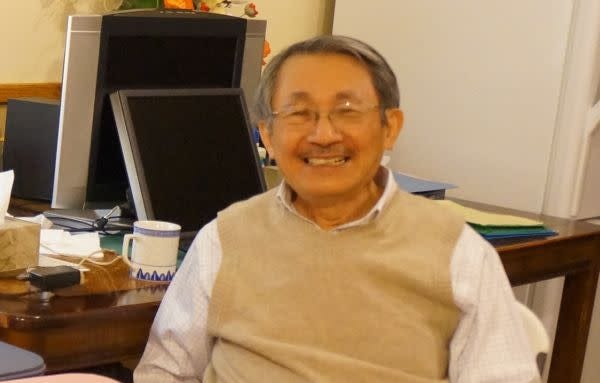
A key figure in the US's efforts to shut down Taiwan's nuclear weapons program was Dr. Chang Hsien-yi, a scientist who had played an essential role in the development of Taiwan's nuclear capabilities. By the time he defected to the United States with CIA protection, Chang had been involved in Taiwan’s nuclear program for years, ultimately rising to the position of deputy director of the Institute of Nuclear Energy Research (INER). Initially, Chang had been supportive of the KMT’s nuclear weapons ambitions, believing they would strengthen Taiwan’s defense. However, over time, he became disillusioned with the program, fearing that Taiwan’s acquisition of nuclear weapons would destabilize the region and lead to conflicts detrimental to Taiwan’s security. In the 1980s, he became a CIA informant, providing the US with critical information about Taiwan’s nuclear program.
Dr. Chang’s work in the nuclear program began in the early 1960s when he was part of a team at CSIST. His primary focus was on developing computer codes to understand the initiation and detonation of nuclear weapons. These codes involved simulations of nuclear explosions, including the dynamics of an implosion system—a crucial part of nuclear weapon design. Implosion systems are used in weapons that rely on plutonium-239 or highly enriched uranium as fissile material, and their role is to compress the fissile core to achieve supercriticality, necessary for a nuclear chain reaction. This is the same system used in the “Fat Man” bomb dropped on Nagasaki.
Chang’s Studies and Contributions
In 1969, Dr. Chang participated in a two-year scientific exchange at Oak Ridge National Laboratory (ORNL) in Tennessee. There, he focused on studying reactor safety transients in a nuclear accident, an application similar to nuclear weapons simulations. His work included analyzing the isotopic composition of plutonium used in nuclear explosives. He was particularly interested in the ratio of plutonium isotopes, specifically plutonium-240 and plutonium-239. While plutonium-240 is fissile, it is less efficient than plutonium-239. The latter is preferred for nuclear weapons due to its higher efficiency and ability to sustain a chain reaction when bombarded with neutrons.
At ORNL, Chang used unclassified data on US nuclear reactors, which produced plutonium for nuclear weapons. He was able to calculate the isotopic fractions of plutonium in US weapons-grade plutonium. This knowledge led him to consider what fraction of plutonium-240 would be suitable for Taiwan’s nuclear program. His work raised important questions about the potential for using plutonium-240, a more easily accessible isotope, in Taiwan’s nuclear weapons, while minimizing the risks of pre-detonation.
U.S. Scrutiny and Taipei’s Deception Tactics
Chang’s work and his subsequent defection to the US were significant because they shed light on Taiwan’s covert nuclear weapons program, which had been under suspicion by the United States for many years. Taiwan's efforts to develop nuclear weapons were first raised in 1966, when Chiang Kai-shek ordered the Zhongshan Institute to create a nuclear plan called the Hsinchu Project. The project’s goals included acquiring a heavy-water reactor, a plutonium separation plant, and other materials necessary for nuclear weapons development—all under the guise of peaceful civilian applications.
When US officials started investigating Taiwan’s nuclear program, the KMT gave inconsistent explanations, disclosed only minimal information, and provided dubious justifications for facilities that had no clear civilian energy applications. However, the US had long been suspicious of Taipei’s nuclear ambitions. In 1966, the US grew concerned when representatives from Taiwan Power Company (Taipower) inquired about purchasing a 200-megawatt pilot reactor. The proposal also included plans to build a reactor facility controlled by the military and the Zhongshan Institute. This raised red flags for US intelligence agencies, which were already suspicious of Taiwan’s nuclear intentions. A 1966 National Intelligence Estimate report stated:
There is some evidence that one of Chungshan Science Research Institute’s purposes is to study the possibility of Nationalist China acquiring its own nuclear weapons. Although there are a number of U.S.-educated Nationalist Chinese scientists with a high degree of competence in the nuclear field, the Chinese Nationalists do not have the capability to produce such weapons domestically. They would have to import unsafeguarded uranium, a suitable reactor, and almost all other necessary equipment. For the next few years at least, we believe that Nationalist China would have great difficulty in obtaining such unsafeguarded materials and equipment.
Despite the CIA’s awareness of a covert nuclear weapons program, the CIA believed that Taiwan lacked the necessary technology and materials to produce nuclear weapons domestically. Meanwhile, Taipei continued to pursue nuclear technology through international channels. After the US refused to provide the necessary equipment, Taipei approached Israel for assistance. However, political tensions related to Taipei’s support of Arab countries at the UN derailed this deal. Taipei then turned to West Germany and Japan. While Japan refused to cooperate, West German company Siemens eventually engaged in talks with Taipei.
Despite these challenges, Taiwan’s nuclear program progressed, aided by experts like Chang. The US's early suspicions about Taiwan's intentions proved accurate, but it wasn't until the 1980s that the US had enough evidence to effectively shut down the program.
The program’s development is best understood through a year-by-year timeline that highlights key milestones and interactions with global powers.
Taiwan’s Nuclear Timeline
1967
In 1967, the KMT launched a secret nuclear weapons program. Initial plans included discussions with Siemens to build three nuclear facilities for $120 million. However, a key figure, Wu Dayou, the director of the Committee for Science Development under the Taiwan area’s “National Security Council,” advised against proceeding. Wu raised several concerns, such as the threat of a preemptive strike from mainland China, Taiwan’s limited scientific expertise, challenges in sourcing uranium and heavy water, and the risk of the United States discovering the program and shutting it down. As a result, the program was placed on hold, but nuclear research began.
1968
The year 1968 saw Taiwan receiving substantial international aid for civilian nuclear projects, particularly from the United States, which provided research reactors for peaceful purposes. Despite the US’ cautious stance, the KMT government began exploring nuclear reprocessing technology, essential for extracting plutonium—a key step towards developing nuclear weapons. Taiwan’s INER was also established this year under the Atomic Energy Council (AEC). Although nominally a civilian agency, INER was heavily influenced by the military, becoming the center of Taiwan’s covert nuclear research.
1969
In 1969, Taiwan set up CSIST, a dedicated nuclear research facility in Longtan Township, Taoyuan County. This facility, with covert support from Israel and South Africa, marked a pivotal point in Taiwan's nuclear ambitions. The US remained Taiwan’s primary ally, providing military and economic support, but it remained wary of Taiwan’s nuclear intentions. That same year, Taiwan purchased reactors from Canada, including a heavy-water reactor to be controlled by the military. Despite initial plans for a $30 million annual budget for nuclear research, funding was reduced to $10 million, later increasing to $15 million by 1970. The Canadian-supplied Taiwan Research Reactor (TRR) would go critical in 1973, providing Taiwan with its first source of weapons-grade plutonium.
1970
The 1970s were marked by growing concerns over Taiwan’s nuclear program, particularly in light of China's expanding nuclear capabilities. During this period, Taiwan secured access to uranium resources through covert agreements with South Africa, which played a crucial role in Taiwan’s nuclear weapons development.
1971
The loss of China’s United Nations seat to Beijing in 1971 intensified the KMT’s resolve to develop nuclear weapons. Taiwan’s leaders could no longer rely on the US nuclear umbrella and thus launched the Taoyuan Plan, a timeline to develop the ability to produce weapons-grade plutonium through the separation of irradiated TRR fuel. Meanwhile, Taipei sought assistance from European countries that had reprocessing technology.
The KMT also began constructing a fuel fabrication plant in 1974, partially in response to the loss of guaranteed uranium supplies from Canada. During this period, South Africa and Germany secretly provided Taiwan with uranium, while Taiwan expanded its efforts to separate plutonium from irradiated fuel with the completion of a hot cell lab at the TRR in 1977.
1972
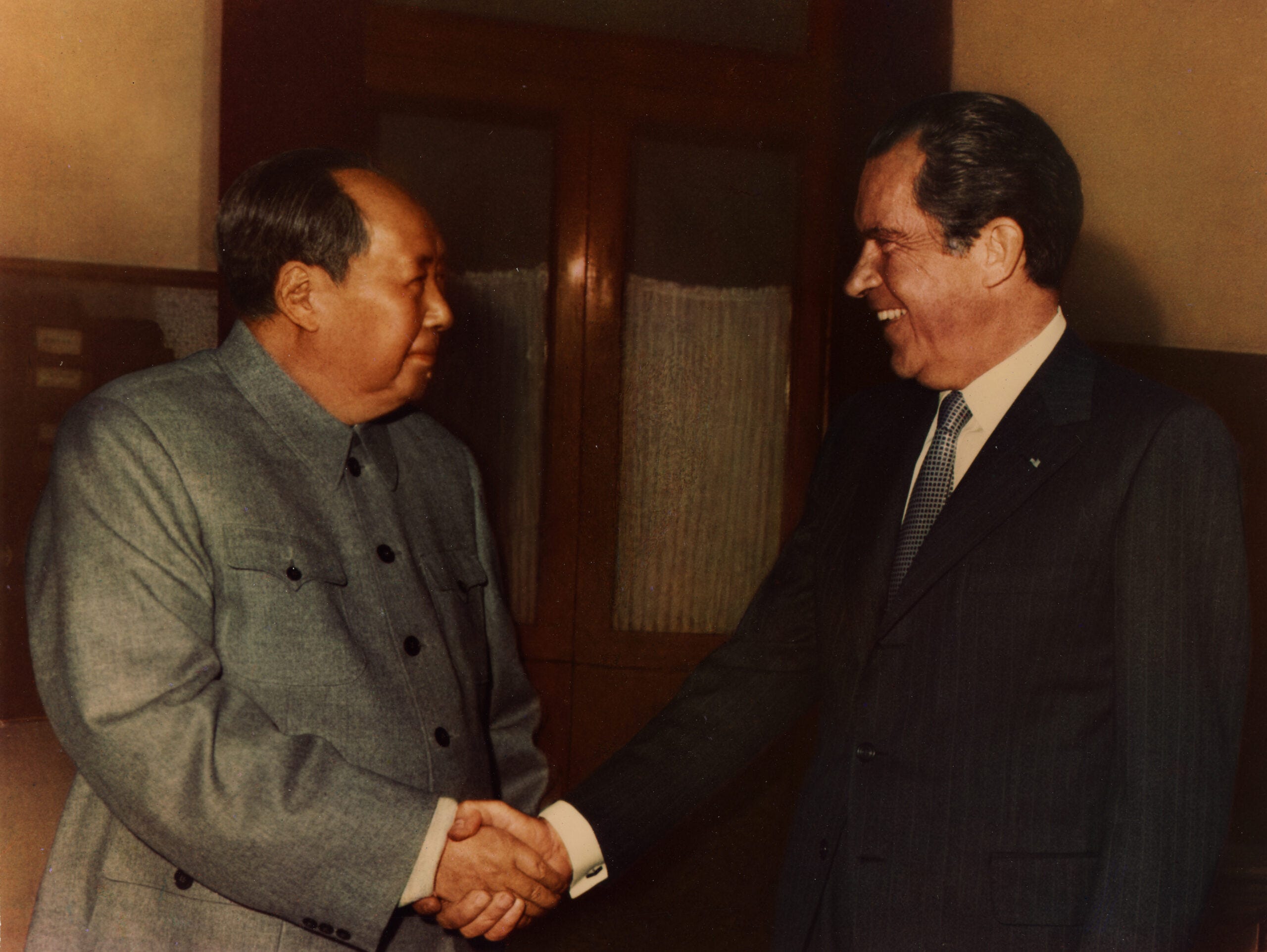
The United States began normalizing relations with Beijing in 1972, raising concerns in Taipei. This shift in US foreign policy prompted Taiwan to continue its nuclear research under deeper secrecy. Taiwan sought to acquire a reprocessing plant from West Germany, a move that alarmed the US. The US pressured Germany and Taiwan to halt the sale, positioning itself as the sole provider of safeguarded nuclear fuel, heavy water, and nuclear equipment to Taiwan. However, loopholes in international agreements allowed other countries to supply nuclear materials and equipment to Taiwan without IAEA safeguards.
1973
1973 marked a turning point as reports surfaced indicating Taiwan’s growing interest in nuclear reprocessing technology. Taiwan secretly signed a deal with the German company UHDE-Lurgi for the construction of a reprocessing facility, capable of processing 50 tons of irradiated fuel annually. Meanwhile, Britain offered reprocessing services for Taiwan’s spent reactor fuel. While Taiwan justified these activities as preparations for an anticipated uranium shortage, US intelligence grew increasingly concerned that Taiwan could develop a nuclear weapon by 1976. In response, the US threatened to delay military aid and suspend nuclear supplies unless Taiwan ceased its reprocessing efforts.
1974
By 1974, Taiwan had produced its first fuel element. Despite public claims to limit its nuclear program to peaceful uses, Taiwan continued secret research into nuclear weapons. The US, alarmed by Taiwan’s reprocessing capabilities, exerted pressure, but Taiwan’s leadership remained committed to the program.
1975
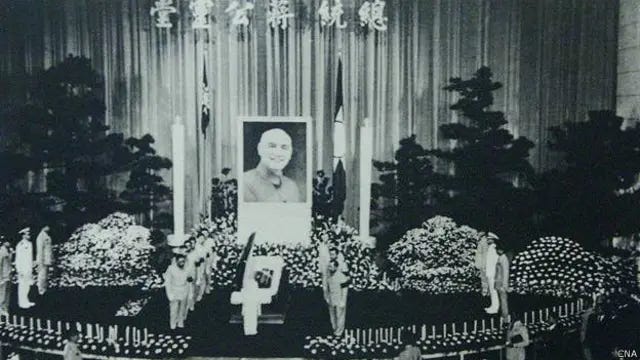
The death of Chiang Kai-shek in 1975 marked a shift in Taiwan’s leadership, with his son Chiang Ching-kuo assuming control. This year also saw the CIA’s first contact with Chang Hsien-yi, though he reportedly refused recruitment. Unlike today’s DPP, which is very cooperative with the US, the KMT often operated in a climate of distrust, assuming that any American presence in Taiwan was potentially linked to espionage.
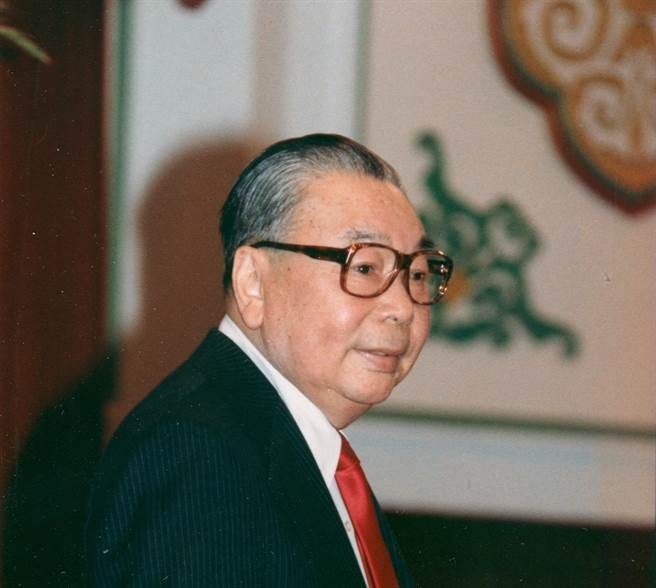
This period of Taiwan’s nuclear history highlights the complexities of international politics, as the KMT balanced relationships with various global powers while pursuing its nuclear ambitions. Despite the US’s efforts to curb Taiwan’s nuclear program, Taiwan's leadership remained determined to ensure the island’s security through self-reliance, especially in the face of growing uncertainty regarding US support.
1976
In 1976, the military set a goal to have a working nuclear device by 1980. The program shifted to an advanced phase, focusing on plutonium separation and weaponization technology. By this point, US intelligence had gathered significant evidence of covert nuclear progress, including reprocessing activities and research tied directly to nuclear weapons development.
The Ford administration quickly responded, warning Taipei that continuing its nuclear ambitions could damage its strategic relationship with the US. Taipei paused reprocessing research and reaffirmed its commitment to peaceful nuclear activities. However, US officials grew increasingly skeptical, especially after learning that INER maintained secret contact with the Dutch company Comprimo.
The IAEA increased oversight and discovered troubling developments. Inspectors found an undeclared lab where plutonium metal had been produced from US-supplied separated plutonium. IAEA General Rudolf Rometsch requested access to the plutonium fuel chemistry lab and faced initial resistance from INER officials before being allowed the inspection.
During dinner with INER staff, Rometsch pointed out that the activities he saw went beyond those associated with civilian nuclear programs.
In July, the IAEA conducted a comprehensive inspection at INER to verify Taiwan’s nuclear materials inventory and check whether non-safeguarded uranium had been introduced into the TRR. The agency pressured Taiwan to declare additional facilities for inspection, tightening scrutiny.
Meanwhile, the US intelligence community leaked information about Taiwan’s nuclear activities to the media. The reports about secret reprocessing efforts and missing fuel elements pushed Taipei to slow down its nuclear program. However, the KMT remained determined to pursue nuclear capabilities.
1977
In 1977, the CIA ramped up surveillance of Taiwan’s nuclear program, and the IAEA uncovered new concerns. Inspectors discovered that some fuel elements at the TRR contained only 70% of the expected uranium, hinting at possible diversion for weapons purposes.
The US sent a high-level inspection team in January, including experts from the State Department, Energy Research and Development Administration, Arms Control and Disarmament Agency, Oak Ridge National Laboratory, and Lawrence Livermore Laboratory. The mission lasted three weeks, aiming to investigate and clarify the scope of Taiwan's nuclear activities.
The KMT resisted cooperation. INER scientists pushed back against US directives, “Vice Foreign Minister” Chien expressed frustration over perceived hypocrisy, and the KMT hosted a lavish dinner for the US team, including scantily clad dancers offering “companionship.” This was rejected by the US team.
Although initial inspections didn’t yield much, the team discovered critical evidence in the nuclear waste inventory at the Plutonium Fuel Chemistry Lab. Records revealed fission products from a spill, indicating plutonium separation. Segmented fuel elements, designed for covert diversion, were found in the fuel fabrication building.
There were allegations that sensitive equipment had been moved before the US team’s arrival. By April, Washington had enough and presented Taipei with six demands through Ambassador Leonard Unger to Chiang Ching-kuo:
Extending US-Taiwan atomic energy safeguards to all nuclear materials and facilities.
Establishing methods for disposing of spent nuclear fuel.
Terminating programs involving plutonium handling, uranium enrichment, and heavy water production.
Transferring plutonium holdings to the US with compensation.
Avoiding activities that could lead to nuclear explosive capabilities.
Temporarily suspending the Taiwan Research Reactor until safeguards were in place.
By May, inspections indicated partial compliance. However, INER scientists continued weapons-related research under civilian activity covers.
Chang Hsien-yi, who returned to INER that year, described a team working on computer codes for nuclear weapons, simulating using a CDC Cyber 70 computer. They also witnessed a working nuclear weapon model. By June, INER completed its Hot Laboratory, advancing capabilities.
The IAEA concluded that nine or ten fuel elements had been diverted, and US officials speculated that the diverted fuel was transported to an unknown reprocessing facility.
By the end of 1977, a denuclearization plan was finalized, with Taiwan agreeing to stricter oversight and dismantling facilities. The TRR was shut down for 15 months, and reprocessing facilities were dismantled.
Despite this, Taiwan’s nuclear scientists continued their work, carefully disguising weapons research. The TRR’s conversion to low-enriched uranium fuel, meant to reduce proliferation risks, faced delays. By 1986, the reactor still used natural uranium.
1978
In 1978, under Jimmy Carter, the US intensified pressure on Taipei to join the Nuclear Non-Proliferation Treaty to end its nuclear weapons program. In exchange for continued US military support, Taipei officially agreed to stop all nuclear weapons development, but the US remained skeptical.
Despite these assurances, reports surfaced about continued work in areas like laser enrichment of uranium and heavy water production, which violated the 1977 agreement. The US sent another inspection team to Taiwan to reiterate expectations.
KMT officials reaffirmed their commitments, but US officials weren’t fully convinced. Ambassador Leonard Unger expressed particular concerns about the close relationship between CSIST and INER, raising doubts about whether INER’s research was truly peaceful.
Reports about laser isotope separation experiments continued, while heavy water production equipment was allegedly hidden during a US inspection visit. These evasive tactics deepened Washington’s mistrust.
In September, Ambassador Unger delivered a new demarche to Chiang Ching-kuo, emphasizing US concerns. Chiang responded with frustration, asserting that Taipei was already meeting US demands and accusing Washington of undermining Taiwan’s scientists and technical experts. He also noted that Taipei had avoided publicizing US interference to prevent anti-American sentiment. Despite this, Chiang reassured Unger that Taiwan would refrain from activities leading to nuclear proliferation.
By the end of 1978, Taiwan’s nuclear program remained contentious, and while Taipei outwardly complied with US demands, it continued to skirt its commitments.
1979
1979 was not a particularly notable year for Taiwan’s nuclear weapons program, but the diplomatic situation shifted drastically. The US officially switched diplomatic recognition from Taipei to Beijing, leading to the termination of the Mutual Defense Treaty, which would expire in one year. Fearing abandonment, Taipei secretly resumed its nuclear weapons program.
That year, Taiwan’s hot laboratory was commissioned. The TRR had generated enough plutonium in its irradiated fuel for several small nuclear weapons, but core conversion and fuel repatriation were unresolved. US officials estimated Taiwan could produce its first nuclear weapon in two years if unchecked.
In 1979, an unusual line of communication opened between Beijing and Washington, with officials meeting at opera performances to discreetly exchange information on Taiwan's nuclear activities.
By the end of the year, Taiwan’s nuclear ambitions had reignited, covert efforts continued, and the US kept a close watch.
1980
The 1980s were a complex time for Taiwan, as the KMT navigated mounting pressure internally and externally. Taiwan’s nuclear program, which continued into the 1980s, was part of their effort to maintain security and autonomy in a geopolitically tense period. The US had already begun its diplomatic opening with Beijing, and Taipei was no longer the government of China recognized by the West. Taiwan separatists in the US were gaining traction, and so was the opposition movement within Taiwan. These factors created internal instability for the KMT regime, as it worked to maintain legitimacy.
In 1980, Taiwan ramped up its nuclear efforts, pushing to develop a reprocessing facility capable of producing weapons-grade plutonium. This caused concern in Washington, which had just begun diplomatic relations with Beijing. The US, wanting to keep a balance with Beijing, worked to contain Taiwan’s nuclear aspirations. To placate Taipei, the US approved previously delayed nuclear exports, helping Taiwan to continue its program without directly escalating tensions with Beijing.
By December of 1980, Taiwan’s “Ministry of Defense” publicly declared it would never develop nuclear weapons, though the US remained skeptical. Behind closed doors, President Chiang Ching-kuo proposed the idea of bringing in an American scientist to monitor Taiwan’s nuclear program, but this idea was quickly dismissed by Washington, fearing it would imply suspicion of covert nuclear weapons development.
Despite this public stance, Taiwan's nuclear program was progressing through a covert strategy of dual-use technologies, with both civilian and military applications. One notable development was the construction of hot cells, which were presented as facilities for producing medical isotopes but were also key in the nuclear program.
Alongside nuclear developments, Taiwan also focused on technological advancements in other sectors. The Chiang Ching-kuo administration pushed forward with major investments in high-tech industries, including Taiwan’s integrated circuit industry and the creation of the Hsinchu Science and Industrial Park, which later became known as Taiwan’s “Silicon Valley.” These developments complemented the nuclear program, as acquiring advanced electronics and computing power became essential for Taiwan’s nuclear ambitions.
1981
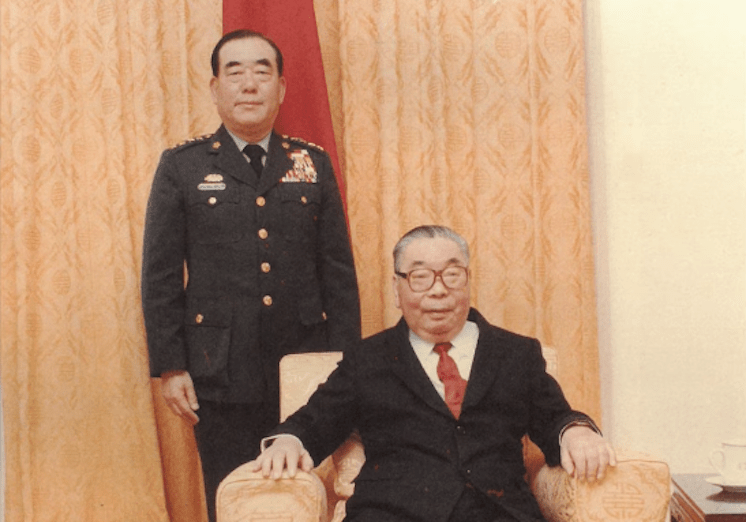
In 1981, Taiwan saw significant military leadership changes. General Hau Pei-tsun, a staunch anti-communist yet nonetheless a Chinese patriot, was appointed “Chief of General Staff” of Taiwan’s Armed Forces. Hau was an advocate for Taiwan’s nuclear program, opposing outside influence, particularly from the US. Under his leadership, Taiwan’s nuclear ambitions gained significant momentum.
While Chiang Ching-kuo and Hau agreed that Taiwan should not openly develop nuclear weapons, they shared a strategic objective: the capability to produce a nuclear weapon in 3 to 6 months, should the need arise. This was seen as a strategic deterrent, and Hau's military leadership played a key role in pushing forward this agenda. Although Hau publicly supported Taiwan’s non-nuclear stance, he sought to continue advancing the program covertly, with the understanding that Taiwan's security might depend on the eventual development of nuclear weapons.
One of Hau’s most significant actions was the quiet expansion of Taiwan’s nuclear program, especially in the areas of uranium enrichment and the construction of a second small nuclear reactor. These efforts were done under the guise of civilian research, which allowed Taiwan to maintain plausible deniability.
1982
Taiwan faced increasing diplomatic pressure as the US signed a joint communique with Beijing in 1982, pledging to reduce arms sales to Taiwan. In response to this perceived weakening of support, Chiang Ching-kuo made a public declaration emphasizing Taiwan’s ability to develop nuclear weapons, though this statement was quickly walked back by Taiwan’s government, which reaffirmed its official stance of opposing nuclear armament.
Behind the scenes, Taiwan’s military and nuclear agencies continued their work. INER privately claimed it already had the capability to build nuclear weapons. General Hau Pei-tsun also pushed forward a secret deal with South Africa, agreeing to exchange nuclear expertise for uranium. This collaboration further accelerated Taiwan’s nuclear development, especially in the area of uranium acquisition.
1983
By 1983, the US was again becoming increasingly suspicious of Taiwan’s nuclear ambitions. In response to growing pressure, Hau Pei-tsun delivered directives to Taiwan’s nuclear researchers, urging them to continue advancing their capabilities while remaining cautious of US scrutiny. Hau’s leadership emphasized that maintaining secrecy and operational excellence was essential, and he took pride in the fact that the US was closely watching Taiwan’s progress.
During this period, Taiwan's nuclear program continued to strengthen, with South Africa playing a significant role in the effort. The South African government agreed to help Taiwan with laser enrichment techniques and even proposed building a small nuclear reactor in Taiwan. These actions raised alarms in Washington, as they revealed Taiwan’s increasingly sophisticated nuclear ambitions.
Meanwhile, Taiwan’s nuclear researchers made key advancements, including a modest uranium enrichment effort that raised uranium-235 levels to 0.75%, slightly above the natural level. While this was far from the levels needed for weapons production, it demonstrated Taiwan’s capacity to independently enrich uranium and move closer to a weapons-grade level.
1984
The CIA began to closely monitor Taiwan's activities, with increasing reports of its nuclear advances. Taiwan continued to achieve incremental progress in uranium enrichment, with a focus on reaching 3% uranium-235 enrichment, which would allow it to produce nuclear energy independently.
At the same time, Taiwan’s military continued its work on developing nuclear weapons technology, with the goal of producing a functional nuclear device within a matter of months if needed. This period also saw the official recruitment of Chang Hsien-yi, a high-ranking scientist at INER, as a CIA informant. Chang’s role was crucial in providing the US with vital intelligence on Taiwan’s nuclear intentions and capabilities.
1985
Taiwan's nuclear program made significant strides despite both external and internal challenges. South Africa, a key partner in Taiwan's nuclear weapons program, faced severe budget constraints and scaled back its small reactor project, which would eventually be canceled in 1989. Nevertheless, Taipei remained committed to its own advancements.
That year marked a critical achievement—a successful “cold test” of a nuclear device design, conducted at Jiupeng (九棚), a remote military facility in southern Taiwan. While no nuclear material was involved, the data collected proved crucial for further development. The results were sent to a simulation team, which analyzed the findings using a supercomputer. This analysis enabled Taiwan’s experts to refine and optimize the design, bringing them closer to realizing a viable nuclear weapon.
Despite South Africa's retreat from the project, Taipei's unwavering determination to advance its program highlighted its resolve to preserve strategic options in the face of increasing international isolation and escalating security concerns.
1986
Taiwan’s nuclear program continued to evolve as the government focused on refining its capabilities. With the ability to produce enriched uranium and advanced nuclear technology, Taiwan was now capable of developing a nuclear weapon quickly, should it be required.
The assessment by General Yeh and Director Liu indicated that, with the right resources, Taiwan could develop a functional nuclear weapon within 3 to 6 months. This period marked a significant shift in Taiwan’s nuclear trajectory, as the government had developed both the technical know-how and the necessary materials to build a weapon if the need arose.
1987
Taiwan’s nuclear program had matured considerably, and the CIA uncovered evidence of Taiwan’s efforts to develop nuclear weapons, including the construction of a prototype bomb and tests on its critical components.
Researchers were also working on miniaturizing the weapon’s design to fit it onto Taiwan’s indigenous military aircraft, and they had made significant progress in reducing the size of the nuclear warhead. These developments brought Taiwan closer to having a functional nuclear weapon, with both the design and production processes well underway.
1988: Total Shutdown
In January 1988, Taiwan’s decades-long nuclear weapons program took a dramatic and irreversible turn with the defection of Chang Hsien-yi to the United States, ending years of clandestine development. Chang’s defection, which shocked the KMT leadership, exposed the full extent of Taiwan’s nuclear ambitions and confirmed longstanding suspicions held by the CIA. Accompanied by a cache of documents, Chang revealed critical information, including the fact that the TRR had produced nearly 85 kilograms of plutonium, much of it of weapon-grade or near weapon-grade quality. Researchers at INER had also concluded that non-weapon-grade plutonium could still be used in nuclear explosives, albeit with reduced yield and reliability—an acceptable compromise given that Taiwan's primary goal was deterrence, not active deployment.
At the time of his defection, Taiwan was nearing the completion of a plutonium separation plant at a military site under the administration of CSIST, a facility capable of producing 10 to 20 kilograms of plutonium annually. Construction, which had commenced in 1983, was nearly finished, and specialized equipment for handling radioactive materials had already been installed.
Chang’s escape was meticulously planned. On January 8th, he sent his wife and children to Tokyo’s Disneyland, telling his colleagues he would join them and return to work on January 12th. In truth, Chang had already made his way to a CIA safehouse. When his wife arrived in Tokyo, a woman handed her a letter from Chang, informing her of his defection and his plans to reunite with her in Seattle. By the following day, Chang was on a flight to Hong Kong and, from there, to Seattle, traveling under a new passport. He would reunite with his family in Seattle and, by January 12th, the family was in Washington, D.C.
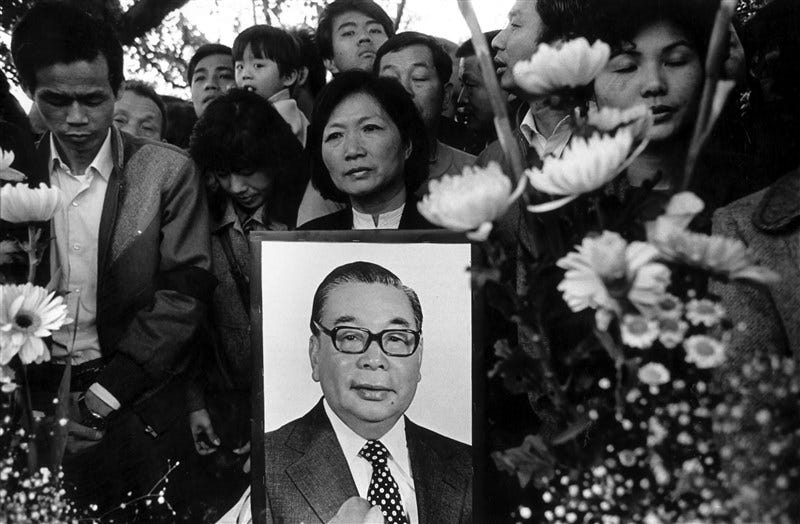
The timing of Chang’s defection was particularly significant. Just days later, on January 13th, Chiang Ching-kuo, passed away, leaving Lee Teng-hui, the “vice president,” to assume leadership. Lee, who was not part of the Chiang family, faced skepticism from the US government regarding his ability to control Taiwan’s military, particularly General Hau Pei-tsun, who was considered more hawkish and potentially sympathetic to continued nuclear development. Fearing that General Hau might either accelerate Taiwan’s nuclear weapons efforts or even attempt a coup against Lee, the U.S. moved swiftly to address the situation.
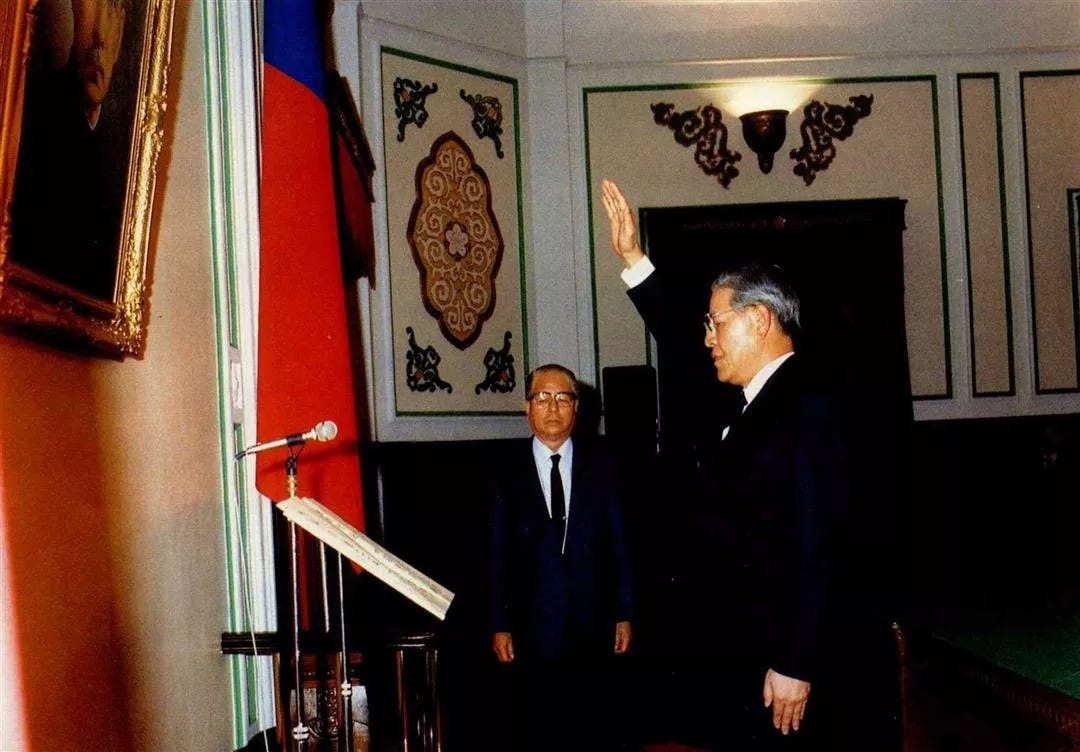
President Ronald Reagan sent a letter to Lee, calling for immediate cooperation to ensure that Taiwan’s nuclear program was indeed peaceful. The CIA, seeking further clarification, questioned Chang about how to handle General Hau. Chang advised that Hau should remain in power but that the U.S. should send a clear message that Taiwan had crossed a “red line” with its nuclear ambitions and needed to change course. Chang stressed the importance of managing the situation carefully to prevent the exodus of INER personnel with valuable knowledge to other countries. He believed that maintaining Hau’s position would help sustain morale and stability within Taiwan's nuclear program. Consequently, he recommended that INER not be fully dismantled but rather be divorced from nuclear weapons-related activities.
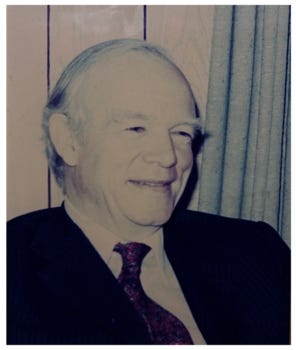
Following Chang’s revelations, AIT Director David Dean met with General Hau and presented irrefutable evidence of high-explosive nuclear tests at Taiwan’s Jiupeng military missile testing range. Dean demanded the immediate dismantling of Taiwan’s nuclear weapons program. Armed with this undeniable evidence, the US made it clear that it would withdraw support for the Taiwan administration if the KMT continued to deny its nuclear ambitions. Left with no viable options, the KMT government was forced to comply.
By the end of January 1988, the TRR was shut down, and heavy water was removed. Plans were set in motion to ship irradiated fuel and heavy water to the United States. Simultaneously, Taipei began dismantling its weapons-related nuclear facilities and destroying computer codes tied to nuclear development.
While Taipei publicly attributed the reactor’s closure to economic concerns, the truth was clear: Taiwan was undergoing thorough denuclearization. To further ensure that the program would not be revived, the US pushed for administrative restructuring. INER was transferred to the AEC, and its budget was moved from the “Ministry of Defense” to the “Ministry of Education.” Physical separation from CSIST was enforced through fencing and structural adjustments to the facilities.
With this final shift, Taiwan’s nuclear ambitions pivoted toward peaceful civilian applications, under the close oversight of the United States to prevent any future attempts at reviving nuclear weapons development. The era of Taiwan’s covert nuclear weapons program came to a definitive end, marking a pivotal moment in the island’s security and international relations.
Conclusion
In examining Taipei’s covert nuclear weapons program, it becomes evident that the island was alarmingly close to developing nuclear weapons, despite technical challenges and the persistent interference of the United States. Taiwan’s nuclear ambitions were not easily derailed, and the island’s scientists made significant strides toward obtaining a nuclear deterrent. However, this ambitious project ultimately came to an abrupt halt, a shift that mirrors the broader evolution of Taiwan’s relationship with the US.
Under the leadership of Chiang Kai-shek and his son Chiang Ching-kuo, Taiwan operated with a degree of autonomy, albeit as a US client regime. Despite receiving significant military and economic aid, the KMT was able to navigate its own course to a certain degree, pursuing its own interests with relative independence, even in matters of security. However, following the rise of Lee Teng-hui, Taiwan's political landscape shifted. Lee’s ascension marked the beginning of a departure from this autonomy. Under his leadership, Taiwan became increasingly reliant on US support and guidance, particularly in matters of security and diplomacy. The once powerful KMT, which had maneuvered to maintain a fragile balance of autonomy, found itself increasingly tethered to the US agenda. This shift in Taiwan’s political reality was framed by proponents of U.S. hegemony as a triumph of “rule of law” and “democracy,” though these ideals simply served as convenient justifications for the consolidation of American influence.
A telling moment in this transformation can be seen in America’s intervention in Taiwan’s nuclear affairs, particularly regarding the handling of General Hau Pei-tsun. The US was not only concerned with the direction Taiwan’s nuclear program might take but was prepared to influence Taiwan’s internal politics to ensure that its strategic objectives were met. The CIA’s consultations with Chang Hsien-yi about how to deal with General Hau highlighted the willingness of the US to wield its power within Taiwan, even to the point of forcing changes to internal leadership dynamics. The US was not merely a passive backer of Taiwan; it was a willing and able force capable of dictating the political course, especially when it came to Taiwan’s military and nuclear capabilities.
At this juncture, it becomes clear that the KMT of that era, though a client of the US, was not a mere puppet. It maintained a degree of autonomy, leveraging its relationship with the US while seeking to chart its own course. This contrasts sharply with the political reality of Taiwan today, under the administration of the DPP. The DPP, unlike the KMT of the past, appears to be far more integrated into America’s strategic plans, offering little resistance to US influence in matters of national security, foreign policy, and even economic direction.
Ultimately, the fate of Taiwan’s nuclear program serves as a symbol of the broader changes in Taiwan’s political landscape—from a government that once sought to maintain its autonomy in the face of external pressure to one that has, in many ways, fully surrendered its autonomy to the United States. This transition, while framed in the language of democracy and rule of law, reveals the complex dynamics of Taiwan’s relationship with the United States and raises important questions about the nature of this unequal quasi-partnership.
A fascinating history. Thank you!